Powering the AI Surge: How High-Density & Liquid Cooling Are Redefining Rack PDU Architecture
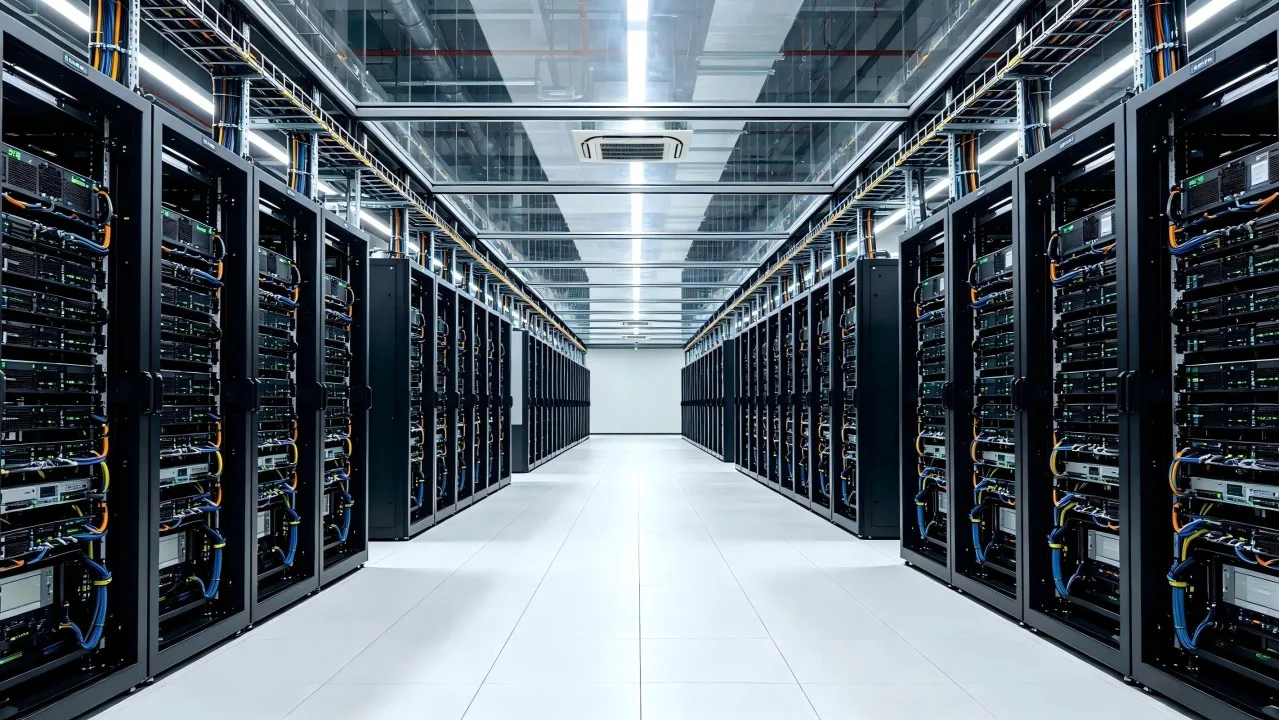
The 100kW+ AI Rack Era & Power Bottleneck Driven by NVIDIA Blackwell B200 and next-gen GPU clusters, modern AI racks are rapidly scaling from traditional 10–15kW layouts to 40kW, 80kW, and 100kW+ per cabinet. As system-level architecture replaces traditional chip-level scaling, the datacenter itself has become the primary computing unit. However, traditional low-amperage PDUs cannot withstand these extreme power loads—making custom high-density rack power architecture critical to removing the AI infrastructure bottleneck.
Challenge 1: The Amperage & Voltage Wall in GPU Racks
Running 100kW+ at legacy voltages (e.g., 208V or standard 230/400V 32A/63A) creates an absurd physical challenge. The sheer copper thickness and cable bundle weight required to carry thousands of Amperes can block rear-rack airflow and physically cripple cabinet installation.
The Architecture Shift
To deliver high power efficiently, operators are raising both the voltage and amperage directly at the rack level. High-voltage distribution reduces current draw, cuts I²R copper resistive heat loss, and streamlines cable management.
The Market Void vs. The Yiestar Solution
Most legacy PDU brand catalogs top out at standard 63A or 80A 3-phase models. When customers ask them for specialized 480V / 400A ultra-high capacity PDUs, legacy brands either decline, require massive non-recurring engineering (NRE) tooling fees, or quote a demoralizing 12-to-16 week lead time.
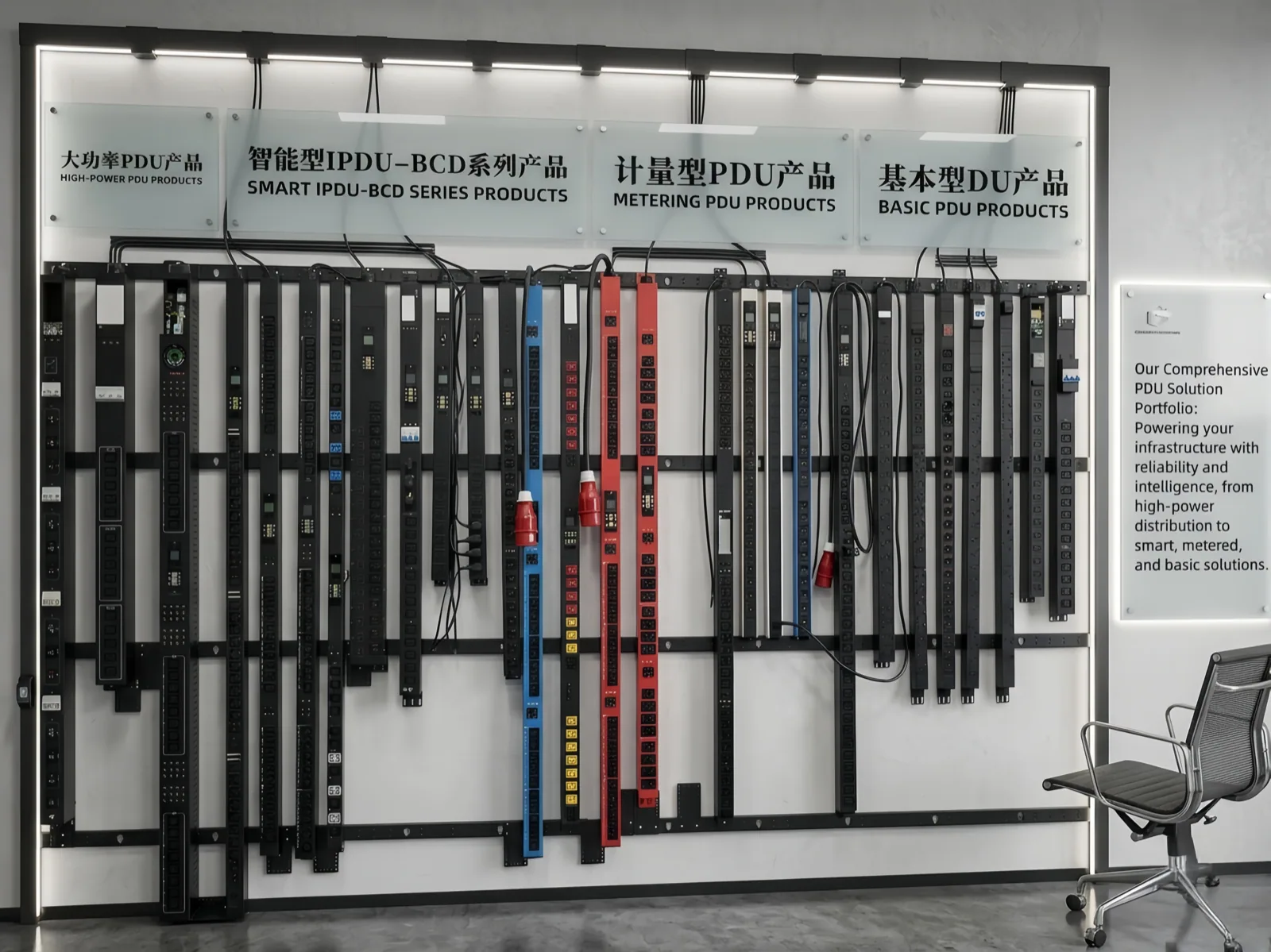
At Yiestar, backed by our ex-Schneider Electric R&D engineering team, we have engineered true ultra-heavy-duty PDU chassis built for extreme AI density:
Voltage & Amperage Muscle: Full support for 480V 3-phase and up to 400A continuous load architectures, utilizing heavy-gauge internal copper busbars and industrial-grade high-breaking-capacity breakers.
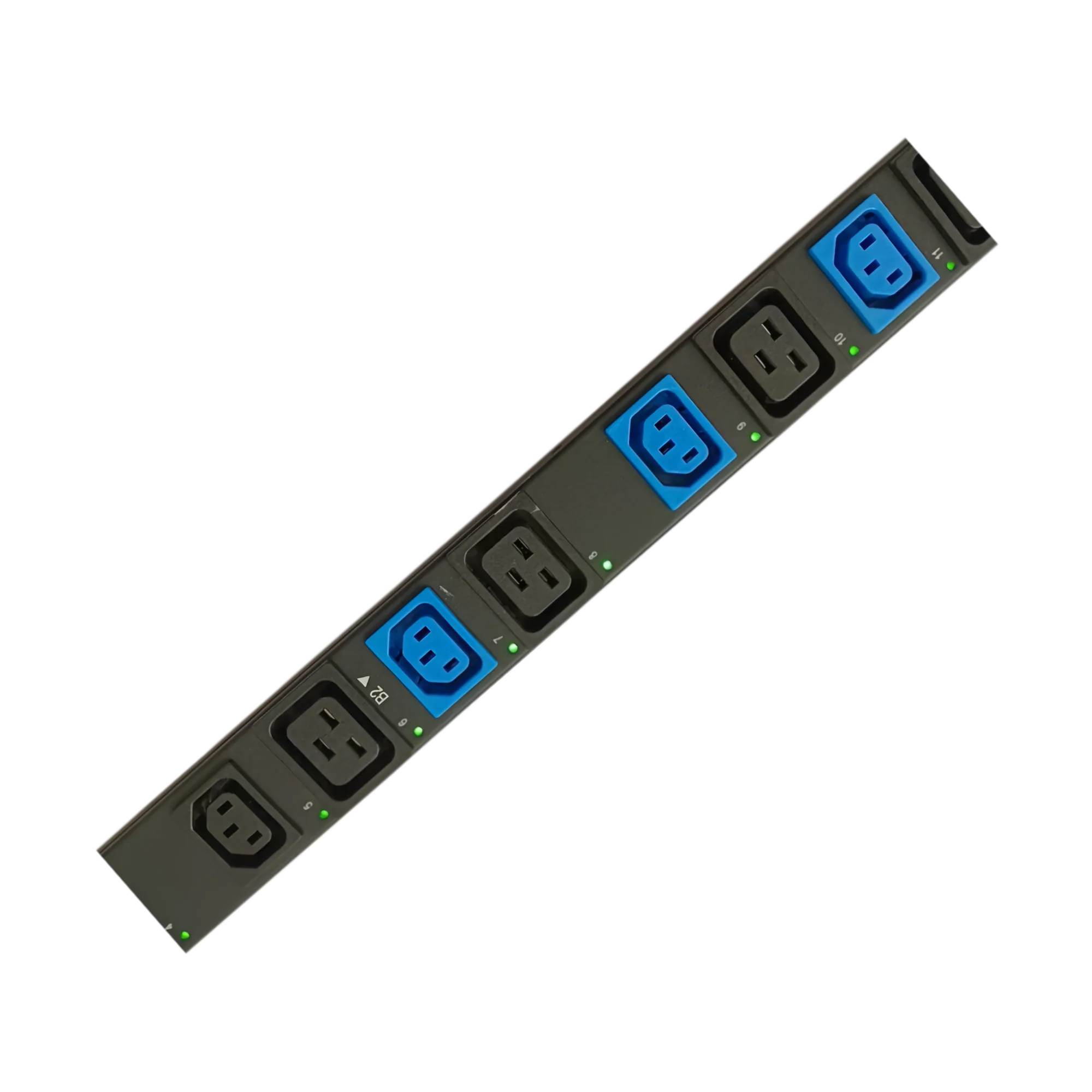
$0 Customization Fee: We design the exact sheet metal form factor, phase balancing, and hybrid socket layouts (IEC C13/C19 Lockable, High-Temp C21, or direct terminal blocks) with zero engineering custom fees.
Agile Execution: While industry giants take months, we manufacture and ship custom ultra-high-power PDUs in just 2 to 4 weeks.
Challenge 2: Liquid Cooling Risks (Immersion & Cold-Plate Environments)
As air cooling hits its thermodynamic wall around 30kW–40kW, liquid cooling (both Direct-to-Chip Cold-Plate and Immersion Cooling) has transitioned from an experimental option to an industry standard.
According to research from the Uptime Institute, liquid cooling adoption introduces entirely new physical vulnerability points inside the rack—specifically moisture condensation, dielectric fluid vapor, and fluid leakage risks around electrical connections.
Engineering Liquid-Safe PDUs
Standard off-the-shelf PDUs fail in liquid-cooled environments due to condensation short-circuits or lack of environmental telemetry integration. High-power AI PDU architecture must incorporate:
Anti-Condensation & Conformal Coating: Marine/industrial-grade conformal coating on internal PCBA metering boards to withstand high-humidity, cold-plate micro-climates.
Leak Detection Linkage: Integrated dry-contact and digital sensor ports connecting directly to floor or pan leak detection ropes, triggering automated alert notifications or selective outlet shutdown before liquid contacts live high-voltage busbars.
High-Temp Flame Retardant Sockets: Socket materials certified to UL94 V-0 flame retardancy, capable of continuous operation in hot-aisle containment zones exceeding 60°C.
Challenge 3: Inrush Current & High-Density Plugging Hazards
Booting up a cabinet filled with high-density GPU nodes creates massive transient inrush currents that can instantly trip main upstream breakers. Furthermore, in high-vibration, high-density environments, standard power cords can easily be bumped loose during routine maintenance.
The Operational Countermeasures
Sequential Power Staggering: Smart PDUs must feature programmable outlet power-on sequencing with millisecond-level delay settings, preventing simultaneous inrush currents when power is restored after an outage.
Active Locking Mechanism: Utilizing high-retention, dual-locking sockets (such as IEC Lockable) that secure standard cords without requiring specialized proprietary cables, preventing accidental downtime caused by human error.
Real-Time Phase Balancing: Integrated Class 0.5 revenue-grade power metering provides instantaneous load-balancing metrics across L1, L2, and L3, eliminating neutral conductor overheating in 3-phase systems.
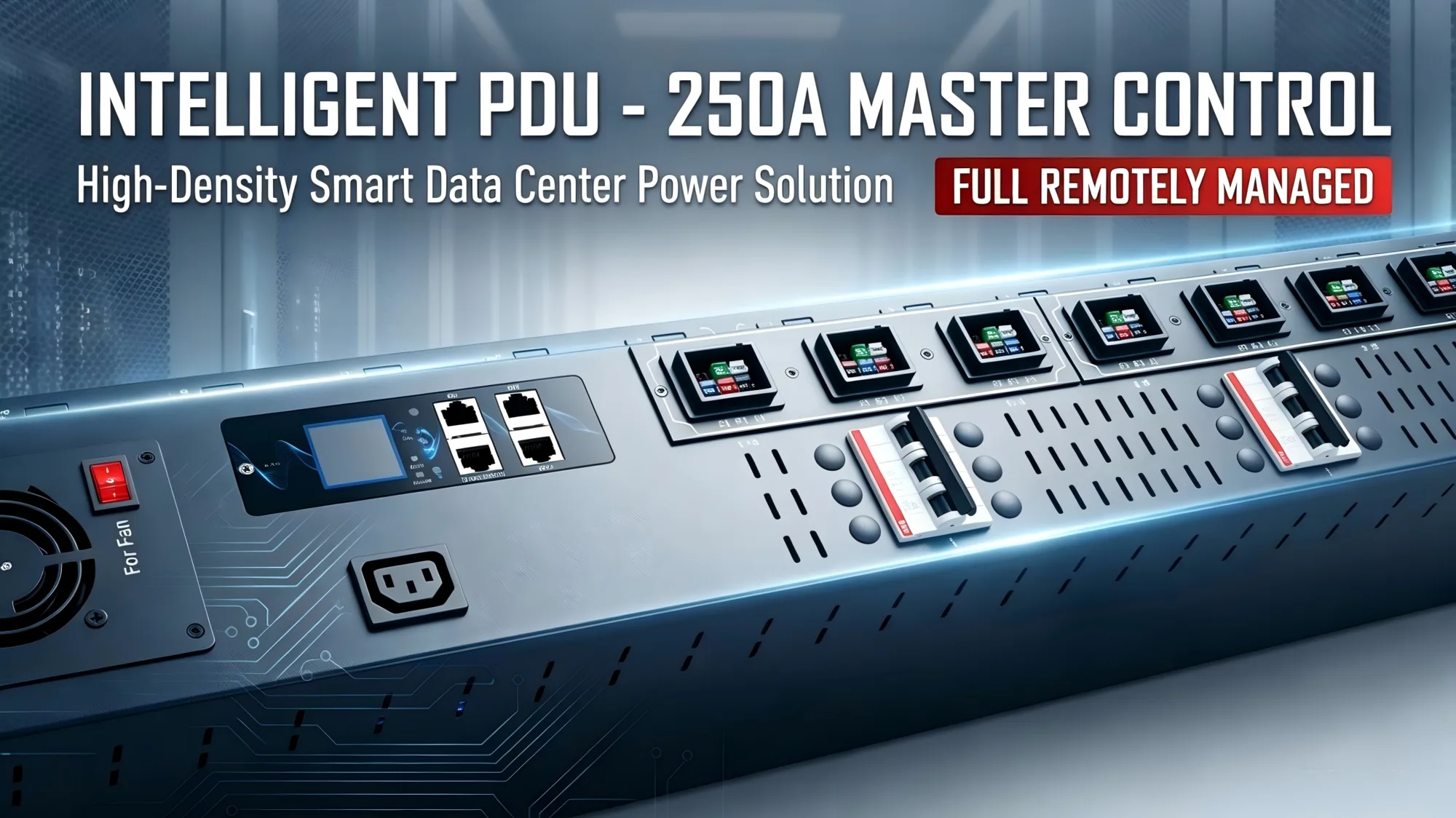
💡 Case Study: Custom 250A High-Capacity PDU Deployed in North America
To demonstrate how these principles work in real-world deployments, here is a recent custom engineering project Yiestar completed for a major North American high-density compute facility.
The client required an ultra-high-capacity power distribution unit capable of supporting extreme current loads while strictly complying with North American electrical and safety codes.
tailored high Power PDU ETL certified
Yiestar Tailored High Power 250A Input PDU ETL Certified
Technical Specifications Engineered by Yiestar:
Input Power Capacity: 380-480Vac / 220-277Vac, WYE, 3L+N+PE, 50/60Hz, supporting up to 250A total load (Class I).
Flexible Output Distribution: Total of 26 custom output ports, capable of delivering:
Full ETL Compliance: Yiestar provided full engineering design and compliance support, successfully passing ETL Certification for North American markets.
Status: Fully certified and currently in active, mass-volume supply powering live customer data centers.
"We don't just supply PDU hardware—we partner with you through custom sheet metal engineering, phase-balancing, and rigorous international safety certifications (ETL/CE/Rohs/) to turn your submittals into deployed infrastructure."
Conclusion: Don't Let Legacy PDUs Bottleneck Your AI Investment
Deploying millions of dollars in GPU clusters into cabinets powered by outdated, rigid PDU architectures is a risk no system integrator or facility manager should take.
Power distribution in the AI era demands extreme high-power handling (480V/400A), liquid-cooling readiness, precise telemetry, and rapid engineering customization.
At Yiestar, we believe you shouldn't have to wait 3 months or pay prohibitive custom tooling fees just to get the exact power specs your engineering submittals require. We combine Tier-1 R&D expertise with agile manufacturing to deliver fully custom, ultra-high-density Smart PDUs in 2 to 4 weeks at zero custom fees.
🌐 Connect & Collaborate With Us
Are you designing next-generation data centers or expanding AI clusters? Let’s configure the exact power infrastructure your project demands.
🔗 Explore Our Product Line: https://yiestar.com/
💬 Direct Engineering & RFQ Consultations: Chat with our team instantly via WhatsApp Business: https://wa.me/86151815505519
💬 Let's Discuss
For the data center designers, MEP engineers, and system integrators in my network:
What is the highest rack power density (kW) you are currently designing for in your 2026/2027 pipeline?
How are your teams handling the PDU lead-time and customization bottlenecks from traditional vendors?
Let's share insights in the comments below! 👇
#DataCenter #AIPower #LiquidCooling #SmartPDU #HighDensityComputing #Yiestar #RackPower #DataCenterEngineering #MEP