الفرق بين وحدة PDU المراقَبة والقابلة للتبديل
شرحٌ للقياس والمراقبة والتبديل عن بُعد — ومتى تسدّد كل ميزة كلفتها.
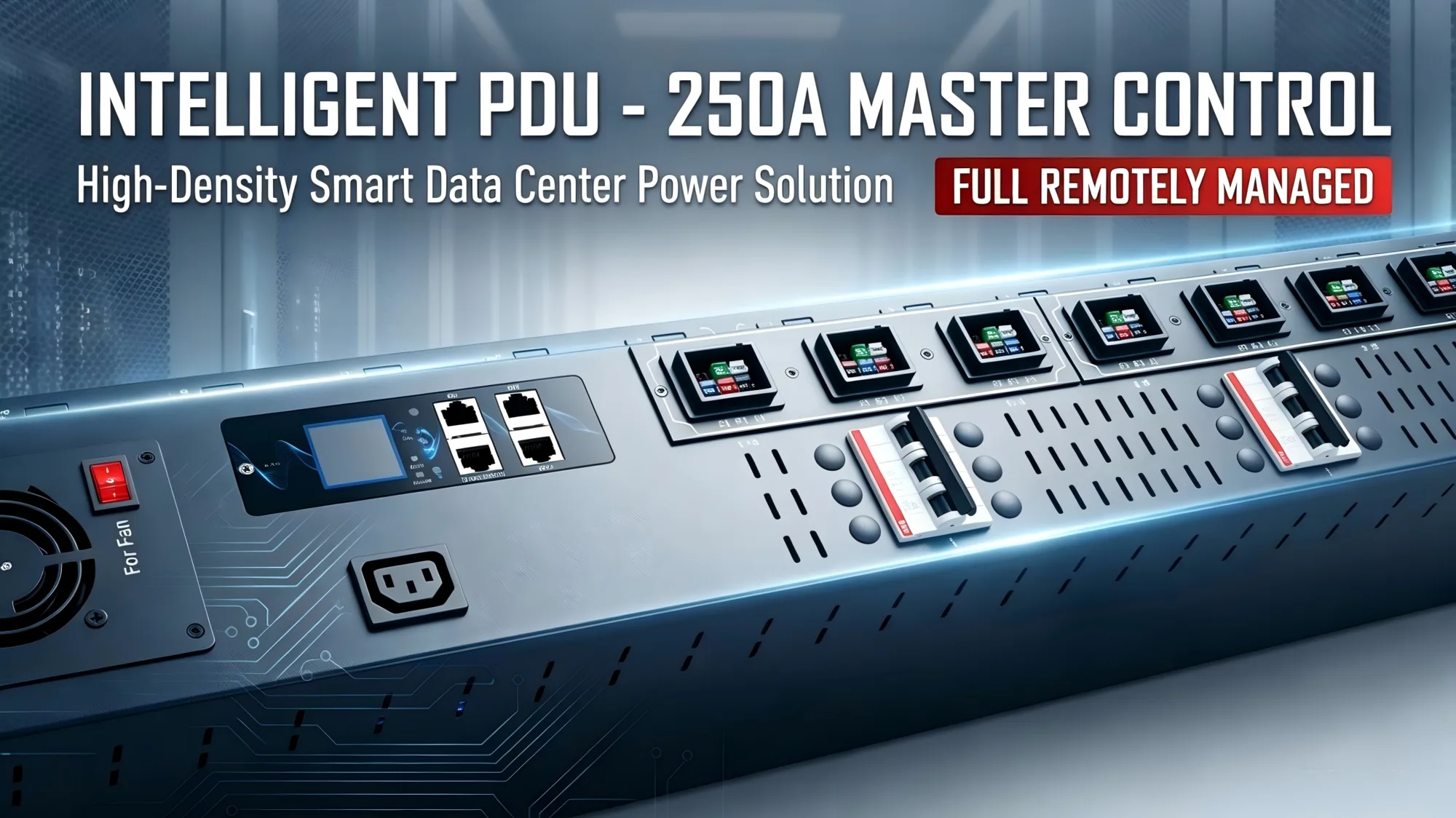
يصف مصطلحا «المراقَبة» و«القابلة للتبديل» قدرتين مختلفتين في وحدات PDU الذكية، وكثيرًا ما يُخلط بينهما. وفهم الفرق يجنّبك دفع ثمن ميزات لن تستخدمها، أو التقصير في المواصفات وفقدان تحكم بالغ الأهمية.
وحدة PDU المراقَبة (الذكية)
تقيس الوحدة المراقَبة الطاقة على مستوى كل مخرج — الجهد والتيار والقدرة والطاقة ومعامل القدرة لكل مقبس. وهذا يمنحك الرؤية اللازمة لموازنة الأحمال وتخطيط السعة واكتشاف المشكلات مبكرًا، لكنها لا تشغّل المخارج أو توقفها عن بُعد.
وحدة PDU القابلة للتبديل
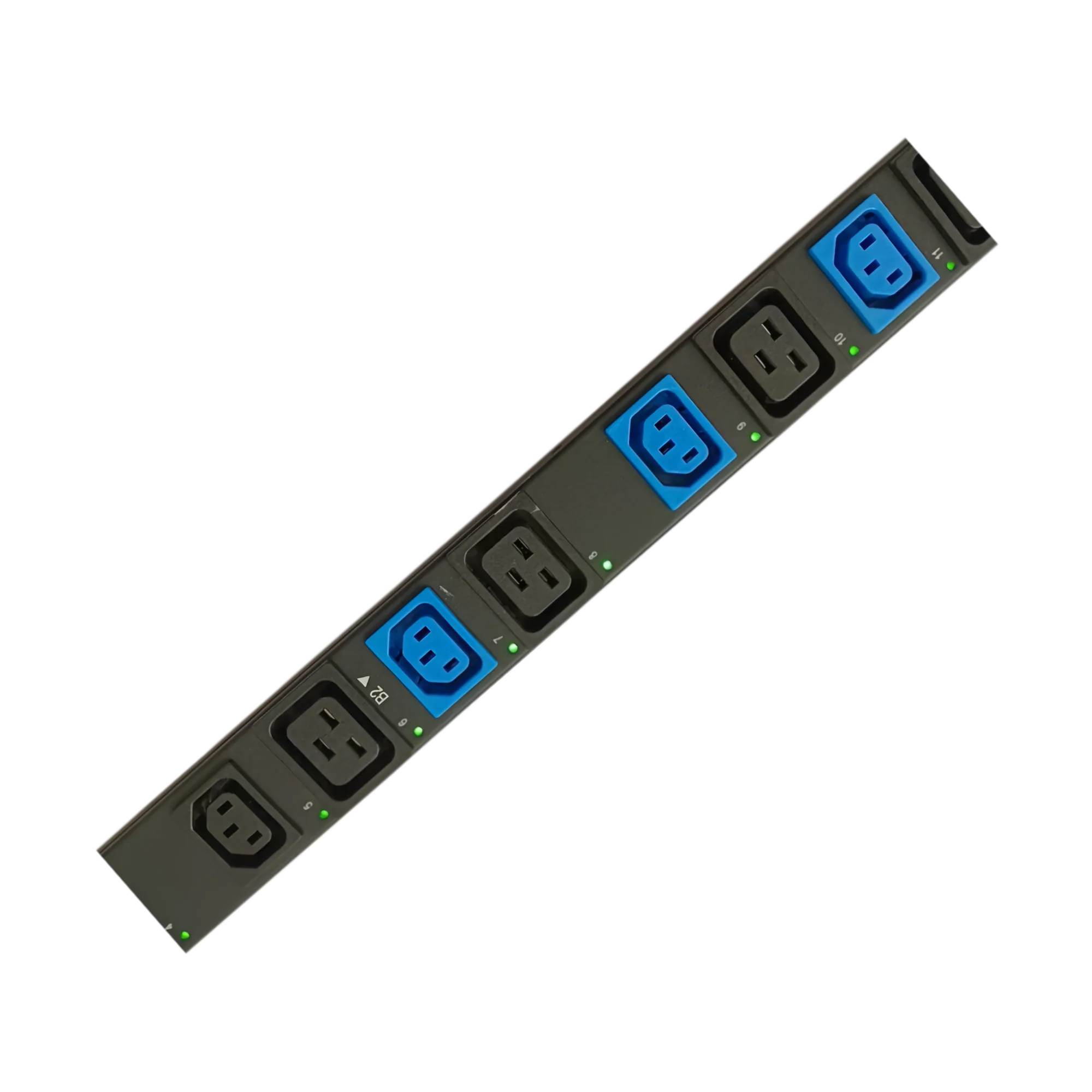
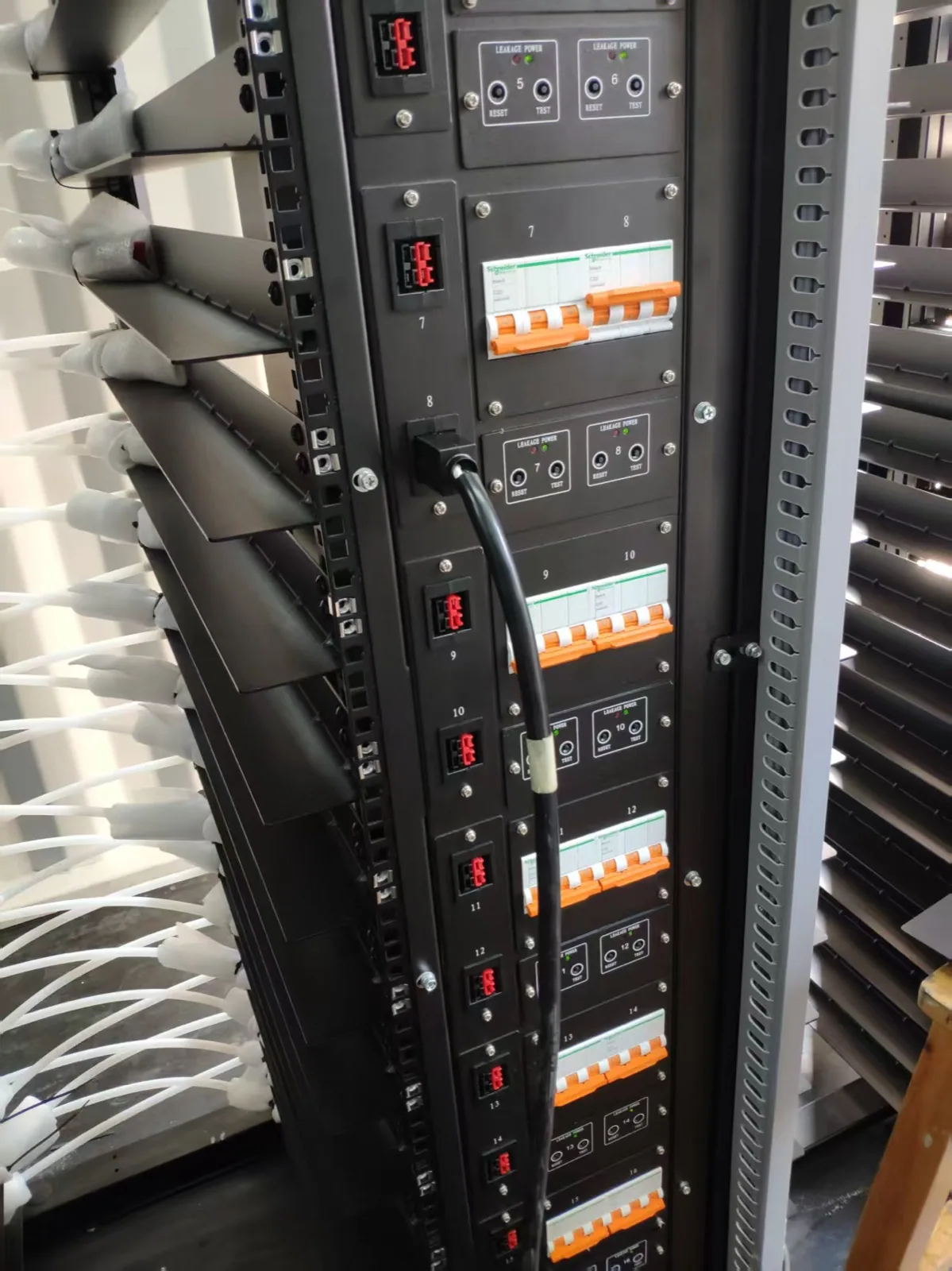
تضيف الوحدة القابلة للتبديل تحكمًا عن بُعد بتشغيل كل مخرج وإيقافه. من واجهة الويب يمكنك إعادة تشغيل خادم متوقف، أو ترتيب بدء التشغيل تعاقبيًا لتفادي تيار الاندفاع، أو تعطيل مخرج غير مستخدم. أما الطرازات الجامعة بين التبديل والقياس فتوفّر القدرتين معًا.
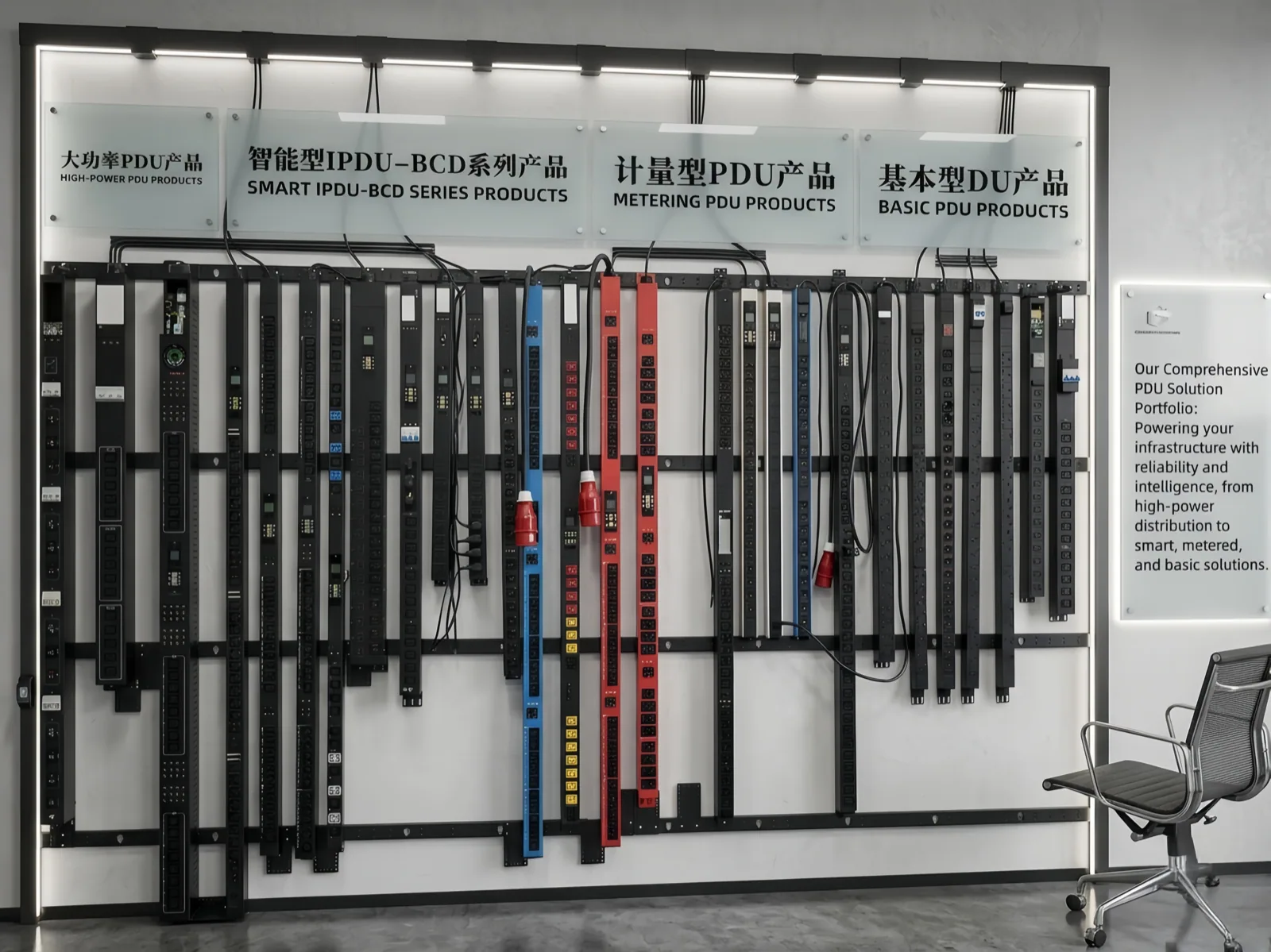
سلاسل iPDU من Yiestar في لمحة
- النوع A — قياس الدائرة الكلية فقط
- النوع B — قياس لكل مخرج + تحكم لكل مخرج
- النوع C — تحكم لكل مخرج فقط
- النوع D — قياس لكل مخرج فقط
أيهما تختار؟
اختر المراقَبة إذا كانت أولويتك الرؤية أو الفوترة أو تقارير الكربون. واختر القابلة للتبديل إذا كنت تدير مواقع غير مأهولة أو بعيدة، حيث تستحق إمكانية إعادة تشغيل المعدات دون إيفاد فريق الفارقَ في السعر. ويعتمد كثير من المشغّلين الطرازات الجامعة بين التبديل والقياس معيارًا موحّدًا لأقصى مرونة.