Industry Insights2026년 5월 30일· 5 분 소요
모니터드 PDU와 스위치드 PDU의 차이
계측·모니터링·원격 개폐의 차이와 각 기능이 투자 가치를 갖는 시점을 짚어 봅니다.
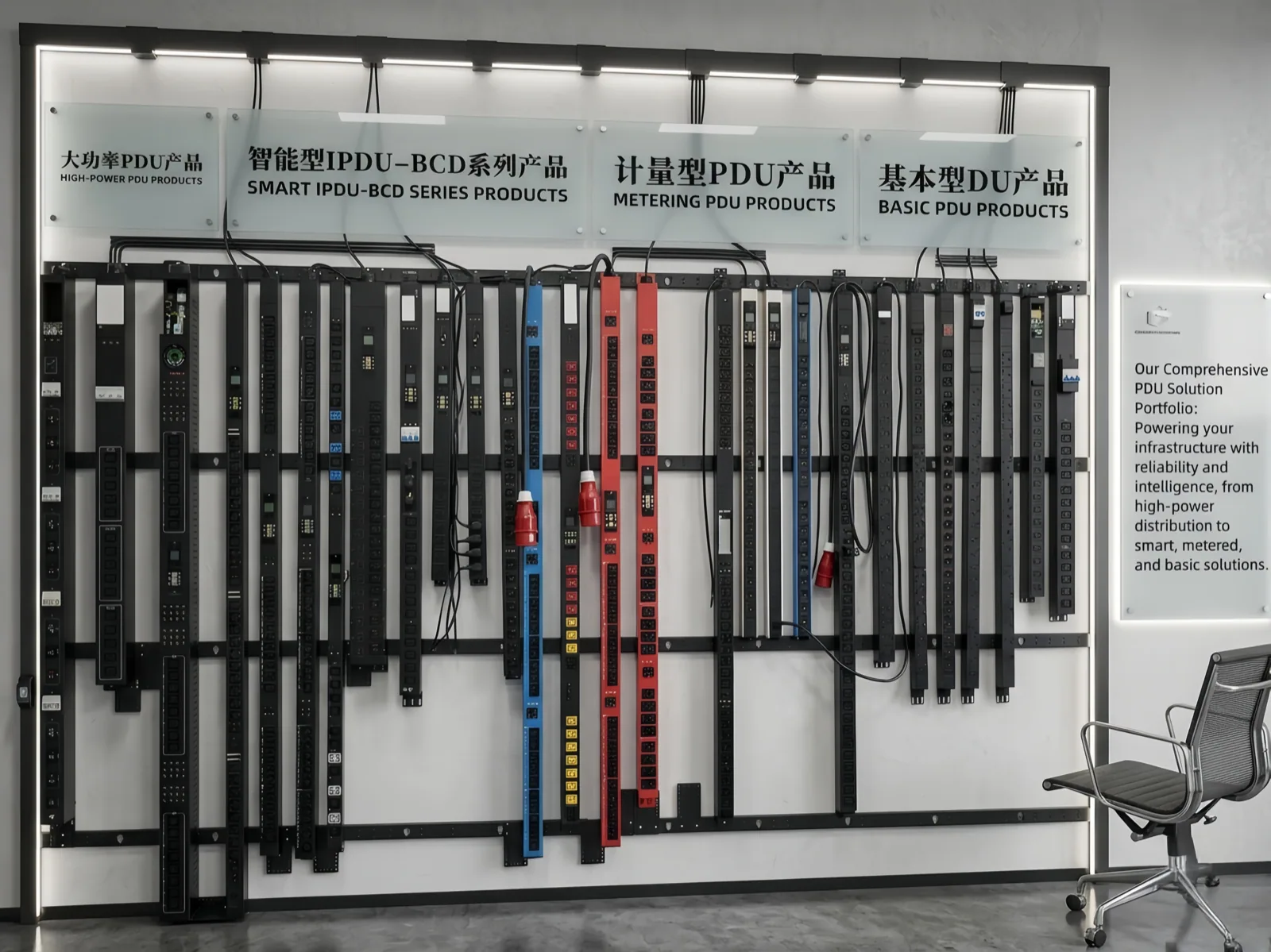
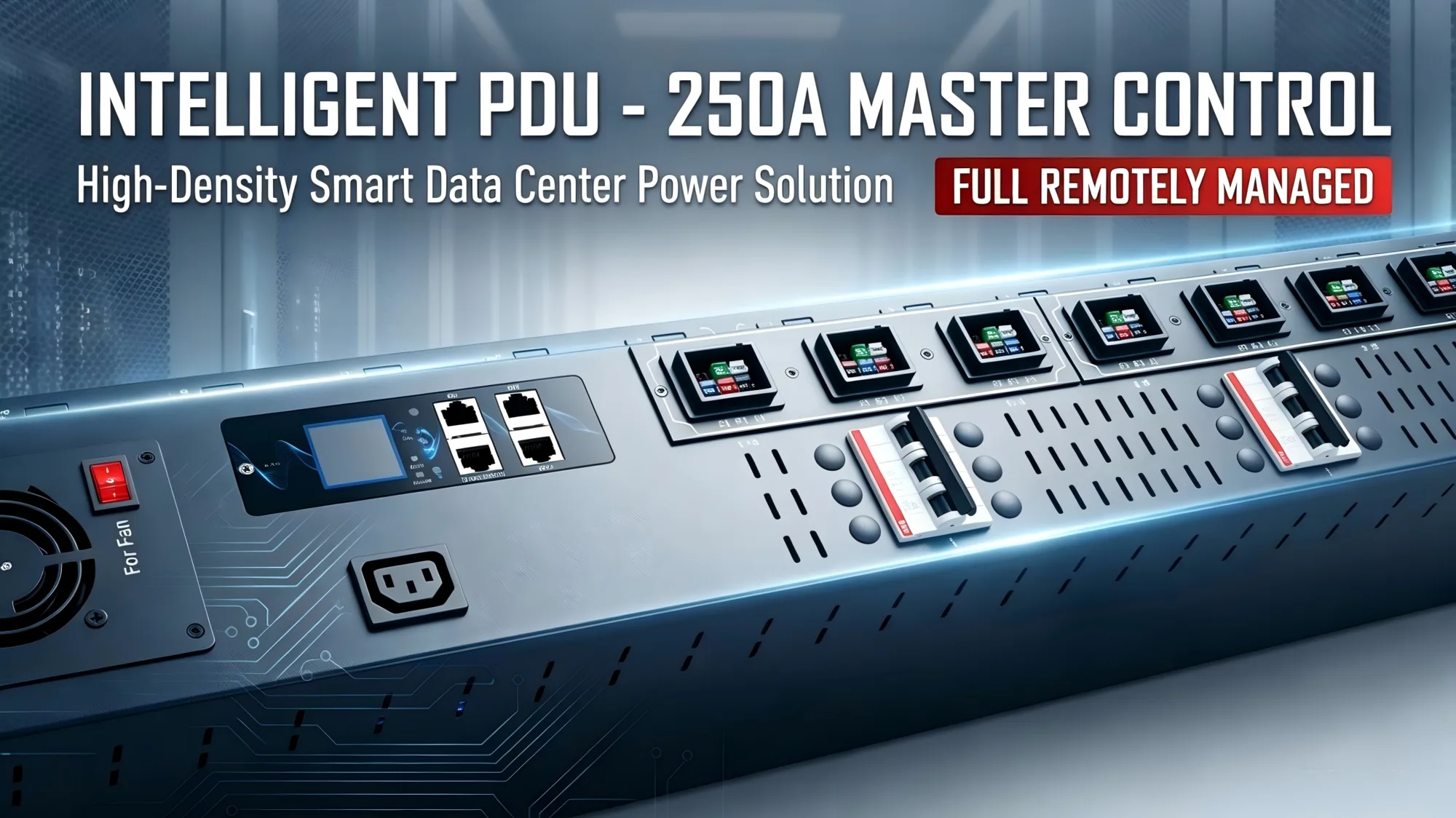
‘모니터드’와 ‘스위치드’는 인텔리전트 PDU의 서로 다른 두 기능을 가리키지만 자주 혼동됩니다. 차이를 이해하면 쓰지 않을 기능에 비용을 들이거나, 사양을 지나치게 낮춰 중요한 제어를 잃는 일을 피할 수 있습니다.
모니터드(스마트) PDU
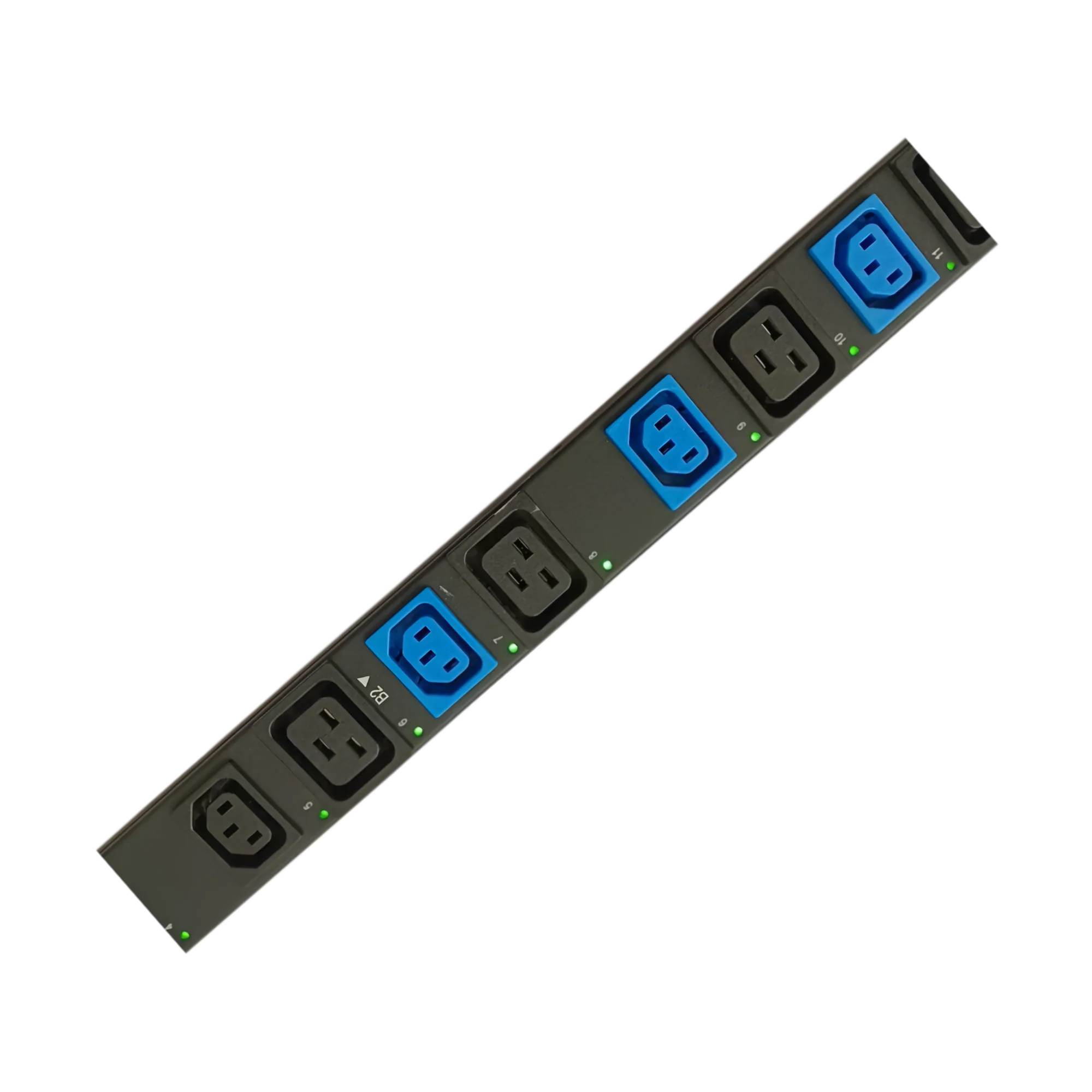
모니터드 PDU는 아웃렛 단위로 전력을 계측합니다. 각 소켓의 전압·전류·전력·전력량·역률을 확인할 수 있어 부하 분산, 용량 계획, 이상 조기 감지에 유용합니다. 다만 아웃렛을 원격으로 켜고 끄는 기능은 없습니다.
스위치드 PDU
스위치드 PDU는 각 아웃렛의 원격 ON/OFF 제어를 제공합니다. 웹 인터페이스에서 멈춘 서버를 전원 재투입하거나, 돌입 전류를 피하기 위해 순차 기동하거나, 사용하지 않는 아웃렛을 잠글 수 있습니다. 계측 기능이 있는 스위치드 모델은 두 기능을 모두 갖춥니다.
Yiestar iPDU 시리즈 한눈에 보기
- Type A — 총회로 계측만 지원
- Type B — 아웃렛별 계측 + 아웃렛별 제어
- Type C — 아웃렛별 제어만 지원
- Type D — 아웃렛별 계측만 지원
무엇을 선택해야 할까
가시성, 과금, 탄소 보고가 우선이라면 모니터드를 선택하세요. 무인 사이트나 원격지를 운영하며 현장 출동 없이 장비를 재시작할 수 있다는 점이 추가 비용을 상쇄한다면 스위치드를 선택하세요. 많은 운영자가 유연성을 극대화하기 위해 계측 기능이 있는 스위치드 모델로 표준화합니다.